Jiangmen: The Global Manufacturing Hub for Coffee Equipment & Brands
For coffee enthusiasts worldwide, the perfect pour-over often begins with a precision-engineered kettle. What most don't realize is that the sleek gooseneck vessel in their hand likely originated in Jiangmen. While Shanghai and Beijing dominate headlines with their flashy café culture, this industrial city in Southern China is the "silent powerhouse" driving the global coffee industry.
By blending deep-rooted manufacturing prowess with a unique heritage of international influence, Jiangmen has evolved from a hidden workshop into a global epicenter for specialty coffee hardware and innovation.
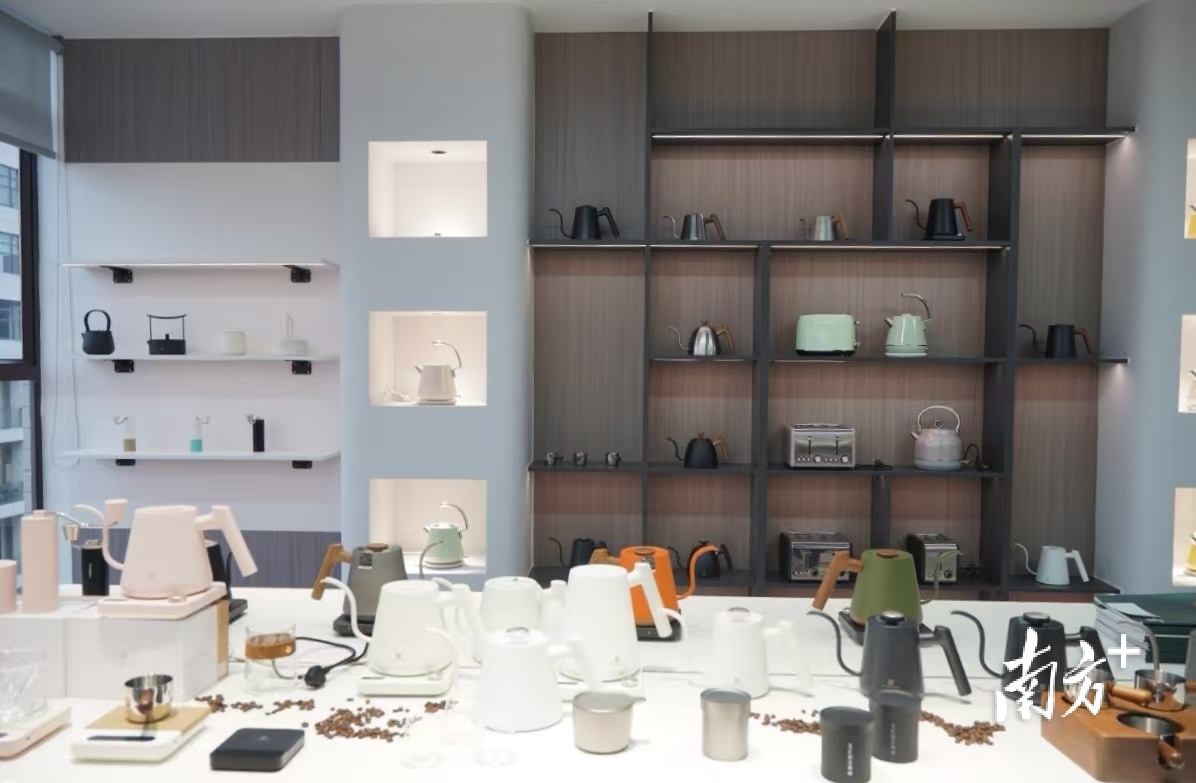
The World’s Factory for Coffee Wares and Supply Chain
Jiangmen’s ascent as a coffee equipment manufacturing hub is built on decades of mastery in stainless steel and small appliance production. This "industrial DNA" has birthed a dense ecosystem of over 300 companies specializing in high-end coffee gear.
Key Industrial Statistics:
Dominant Market Share: An estimated 70% of the world’s coffee pour-over kettles are manufactured in Jiangmen.
Global Export Power: The city’s coffee equipment exports reach $800 million USD annually, growing at a rate of 30%.
Trusted OEM Partner: Industry giants such as Starbucks, Timemore, Brewista, Bialetti, and De'Longhi all rely on Jiangmen’s factories for their precision components and finished products.
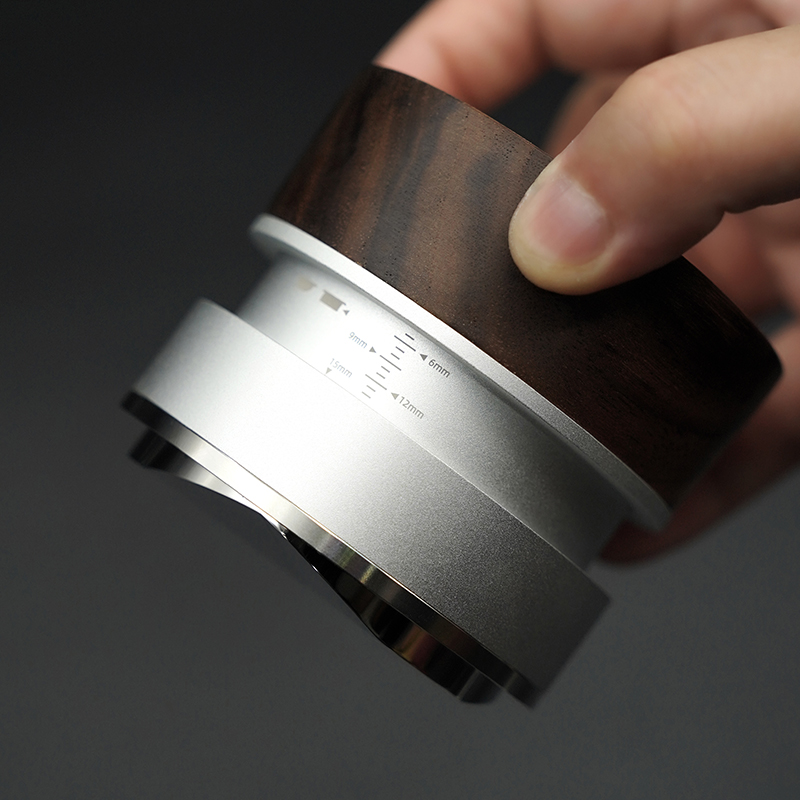
From professional espresso machines to precision hand grinders, tampers, and milk pitchers, Jiangmen provides the backbone for the global "Third Wave" coffee movement.
From OEM to OBM: The Rise of Original Chinese Coffee Brands
The most significant shift in recent years is Jiangmen’s transition from OEM (Original Equipment Manufacturing) to OBM (Original Brand Manufacturing). Local manufacturers are no longer just assembling parts for others; they are investing in R&D and industrial design to launch their own premium labels.
Fanwei Universal Electric: After years of developing temperature-controlled kettles for top-tier brands, they are now scaling their own brand, Xiao Shi (嚣仕), focused on precision brewing.
Xinhui Lianbao: This veteran manufacturer launched Lunavi (路纳维), a comprehensive brand offering everything from grinders to Moka pots.
Highwin and Meizhi: These rising stars are expanding rapidly, with Meizhi aiming to produce 2 million coffee machines annually within the next five years.
This evolution from "Made in China" to "Designed in Jiangmen" marks the maturation of the local industry into a global design leader.
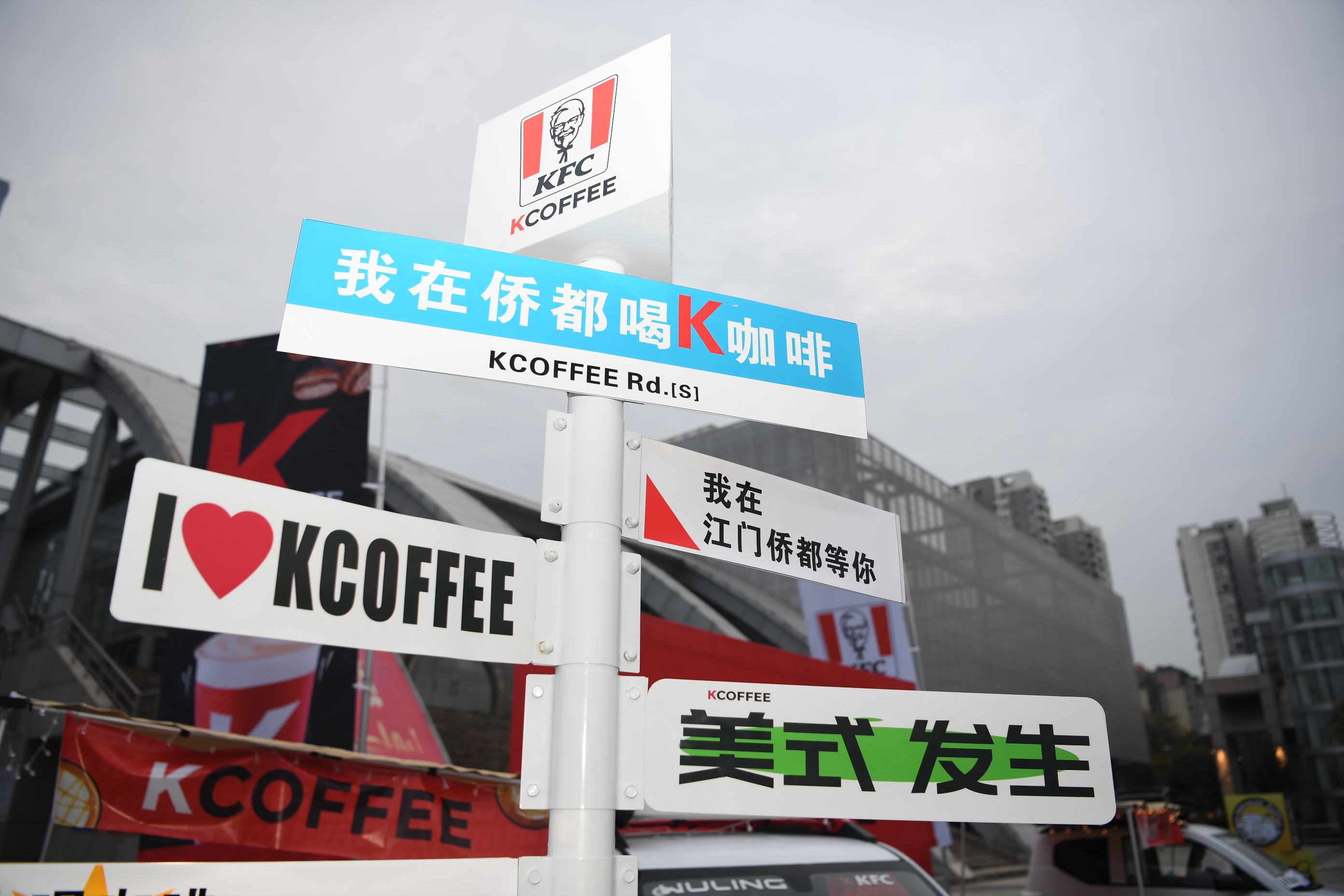
A Complete "Bean-to-Cup" Ecosystem
What truly sets Jiangmen apart is its vertically integrated coffee supply chain. It is one of the few places on earth where you can find coffee roasting, equipment manufacturing, and a thriving consumption market in a single city.
1. Large-Scale Roasting
Jiangmen handles more than 20% of China’s roasted coffee exports. It roasts over 10,000 tons of beans annually, sourcing green beans from over 300 origins, including Ethiopia, Brazil, and Colombia.
2. A Living Laboratory for Baristas
With over 1,600 coffee shops, Jiangmen ranks among the top five Chinese cities for coffee shops per capita. This local "café culture" acts as a testing ground, allowing manufacturers to get real-time feedback from professional baristas before launching products globally.
The Future of Specialty Coffee: Engineered in Jiangmen
With the establishment of the China (Jiangmen) Coffee Consumption Industry Base, the city is pivoting toward Smart Coffee Technology. Local firms are securing patents for AI-driven brewing algorithms and IoT-enabled espresso machines, ensuring Jiangmen stays ahead of the technological curve.
As Jiangmen hosts international coffee cultural festivals and attracts global buyers, its vision is clear: it is no longer just a manufacturing base—it is a global trading center. For the next generation of ambitious coffee brands, the road to success runs through the heart of Jiangmen.

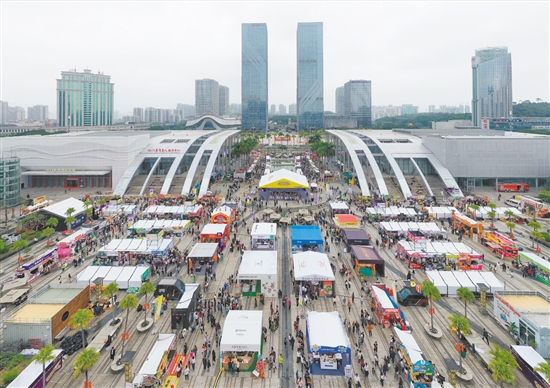 Jiangmen: The Silent Powerhouse Behind Global Coffee Gear
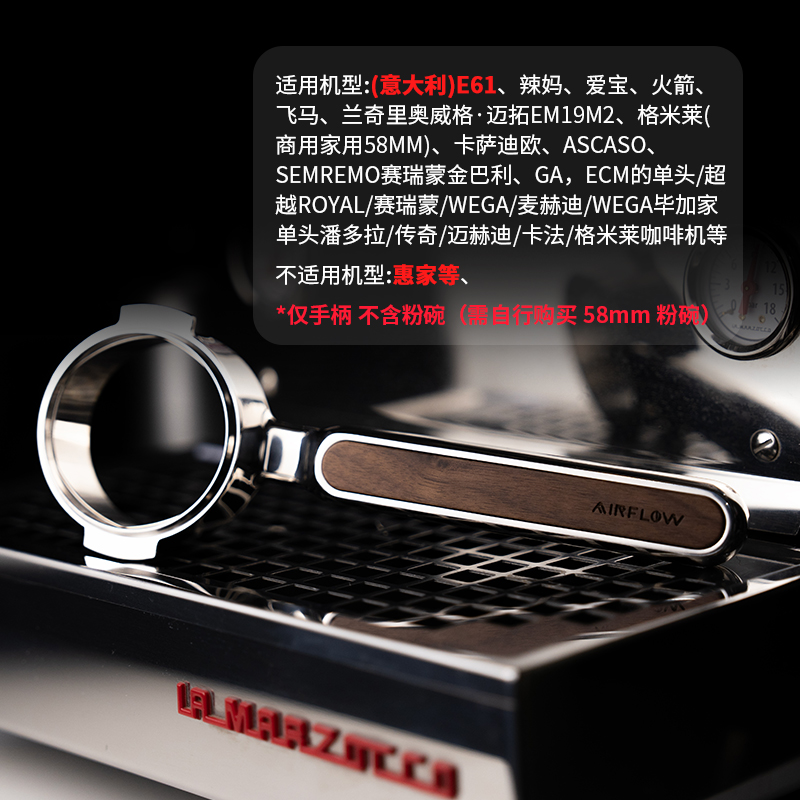 Airflow Uni-Body Bottomlesss Coffee Portafilter
 Uprising of Chinese Coffee Brands